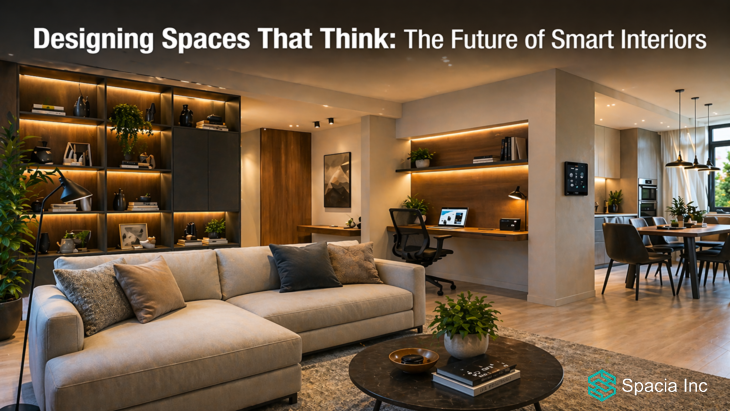



The way we design spaces is changing.
Interior design is no longer limited to decoration or visual appeal. Today, spaces are expected to respond to how people live, work, and interact every day.
A modern interior must do more than look good. It must support lifestyle, improve efficiency, and adapt to changing needs. This shift has given rise to a new approach — smart interior design.
Moving Beyond Static Spaces
Traditional interiors were often designed once and rarely adapted.
But modern living is dynamic.
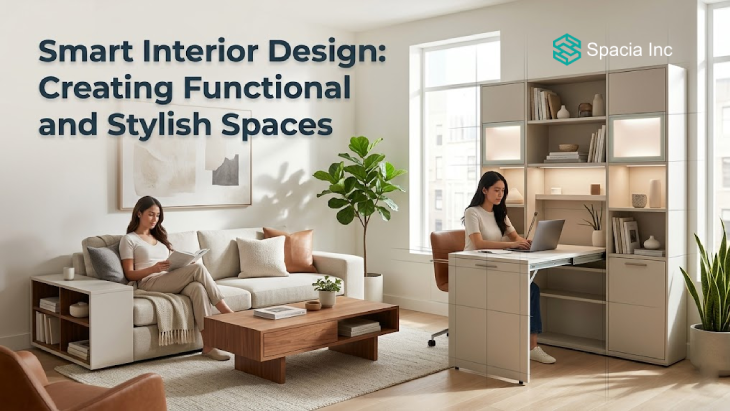
A single space may serve multiple purposes throughout the day — a living room becomes a workspace, a dining area turns into a meeting corner, and a bedroom doubles as a relaxation zone.
Smart interior design focuses on flexibility. It allows spaces to evolve without requiring constant redesign.
Understanding Human-Centric Design
At the core of smart interiors is a simple idea: design should serve people.
This means understanding how individuals use their space and creating layouts that align with their daily habits. Movement flow, accessibility, and comfort become as important as color schemes and decor.
When design is centered around real-life usage, spaces feel more intuitive and natural.
The Intelligence Behind Space Planning
Effective space planning is what separates average design from exceptional design.
Instead of filling a room with furniture, smart interiors focus on purposeful placement. Every element is positioned to improve usability, enhance movement, and maximize available space.
Even compact areas can feel spacious when designed with intention.
Multi-Functional Design as a Standard
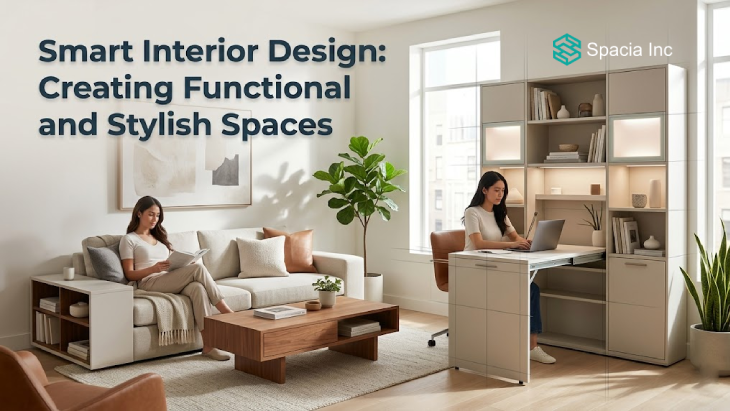
Modern interiors are embracing multi-functionality as a necessity rather than a trend.
Furniture is no longer single-purpose. Storage is no longer hidden. Every component is designed to perform multiple roles.
This approach reduces clutter, improves efficiency, and creates cleaner, more organized environments.
Creating Balance Through Design
A well-designed space maintains harmony between visual appeal and practicality.
Too much focus on aesthetics can make a space difficult to use. Too much focus on function can make it feel uninspiring.
Smart interior design brings these elements together, creating spaces that are both beautiful and highly usable.
The Role of Light and Atmosphere
Lighting is one of the most powerful tools in interior design.
It shapes how a space feels, how it functions, and how people interact within it. Smart interiors use a combination of natural light and layered artificial lighting to create adaptable environments.
The right lighting can transform the same space from energetic to calming within seconds.
Integrating Technology Seamlessly
Technology is quietly becoming a part of everyday interiors.
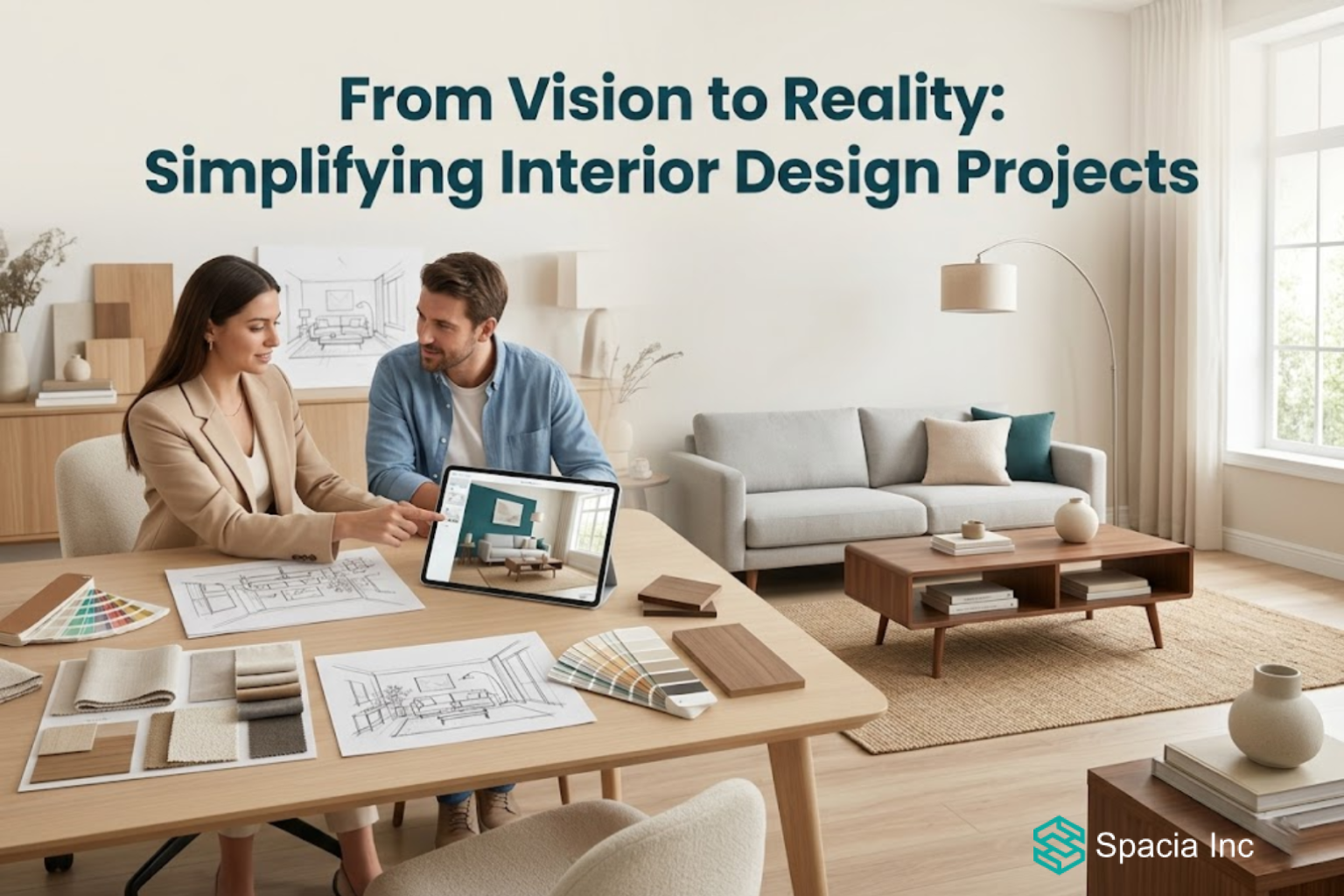
From automated lighting to climate control and digital planning tools, smart features are enhancing convenience without disrupting design aesthetics.
The key is seamless integration — technology should support the space, not dominate it.
Designing for Modern Work and Life
The rise of hybrid work has changed how interiors are designed.
Homes now need to support productivity as much as comfort. Workspaces must be integrated without compromising the overall design.
Smart interiors create dedicated zones that encourage focus while maintaining the warmth of a home environment.
Long-Term Value of Smart Interiors
Investing in thoughtful interior design delivers long-term benefits.
Spaces become easier to maintain, more comfortable to use, and more adaptable to future needs. This not only improves daily living but also increases the overall value of the property.
For businesses, well-designed interiors enhance brand perception and employee experience.
A New Standard for Living and Working Spaces
Smart interior design is not about trends — it is about creating spaces that truly work.
It is about designing environments that simplify life, support productivity, and enhance well-being.
Conclusion
Spacia Inc is redefining how interiors are designed by focusing on intelligence, functionality, and user experience.
By combining thoughtful planning with modern design principles, it creates spaces that are not only visually appealing but also highly practical and adaptable.
Because the best spaces are not just designed — they are designed to work for you.
Leave a reply