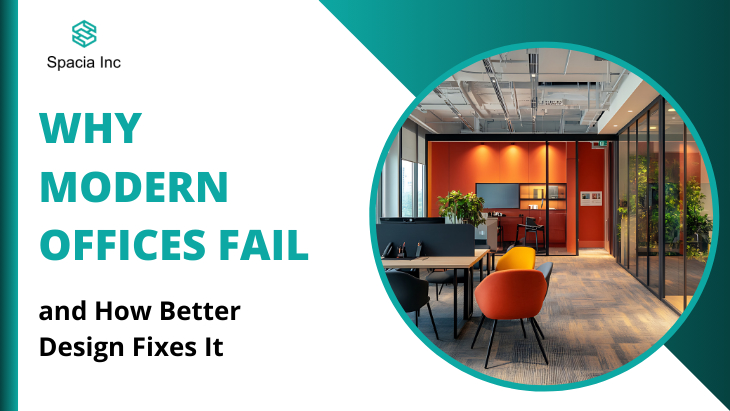



Modern offices are meant to support productivity, collaboration, and employee well-being. Interior Design However, many workplaces still struggle with poor layouts, uninspiring environments, and designs that do not reflect how people actually work. Instead of boosting performance, these offices often lead to stress, disengagement, and reduced creativity. This is where smart interior design plays a critical role in transforming failing office environments into productive and motivating workspaces.
Office failures are rarely about employees alone. In many cases, the physical environment contributes directly to poor performance, low morale, and high turnover. By understanding why modern offices fail and how better interior design can fix these issues, businesses can create workspaces that truly support their teams and long-term success.
The Problem with One-Size-Fits-All Office Layouts
One of the biggest reasons modern offices fail is the use of generic, one-size-fits-all layouts. Many companies adopt trends such as open offices without considering their specific team needs. While open layouts may look modern, they can increase noise, distractions, and stress for employees who need focus and privacy.
Effective interior design recognizes that different teams and roles require different environments. Creative teams may thrive in collaborative areas, while analytical or technical teams may need quiet, focused zones. When offices fail to provide a balance, employees struggle to perform at their best, leading to frustration and reduced efficiency.
Poor Space Planning and Workflow Disruption
Another major issue in modern offices is poor space planning. When meeting rooms are far from teams that use them frequently, or when common areas interrupt focused work zones, productivity suffers. Employees waste time moving around unnecessarily, and workflow becomes inefficient.
Strategic interior design fixes this by aligning physical spaces with how people actually work. Thoughtful placement of workstations, meeting rooms, and collaboration areas improves movement, communication, and daily operations. Better space planning reduces friction and helps teams work more smoothly and effectively.
Lack of Comfort and Ergonomic Support
Many modern offices fail because they overlook basic comfort and ergonomics. Uncomfortable chairs, poorly positioned monitors, and improper desk heights can lead to physical strain, fatigue, and even long-term health issues. When employees are physically uncomfortable, their ability to focus and think creatively is reduced.
Interior design that prioritizes ergonomics creates healthier and more supportive work environments. Adjustable furniture, proper lighting, and well-designed workstations help reduce stress on the body. Comfortable employees are more engaged, productive, and motivated to perform well.
Ignoring Employee Well-Being
Modern offices often focus too much on appearance and too little on well-being. Harsh lighting, lack of natural light, poor air circulation, and limited access to quiet or relaxation spaces can negatively impact mental and emotional health. Over time, this contributes to burnout and low job satisfaction.
Better interior design integrates well-being into the workspace. Natural light, indoor plants, proper ventilation, and wellness areas help create a healthier atmosphere. When employees feel supported physically and mentally, they are more likely to stay engaged, creative, and committed to their work.
Weak Support for Collaboration and Communication
Collaboration is essential in today’s workplace, but many modern offices are not designed to support it effectively. Either there are too few collaboration spaces, or open areas are so noisy that meaningful discussions become difficult. This leads to communication breakdowns and missed opportunities for teamwork.
Interior design solves this by creating dedicated collaboration zones that encourage idea sharing without disturbing focused work. Well-designed meeting rooms, breakout areas, and informal discussion spaces help teams connect naturally. A balanced design supports both teamwork and individual productivity.
Technology Mismatch and Outdated Infrastructure
Technology is central to modern work, yet many offices fail to integrate it properly. Poor cable management, lack of power outlets, weak Wi-Fi coverage, and outdated meeting room setups can slow down work and frustrate employees. When technology does not align with office design, it creates daily inefficiencies.
Modern interior design integrates technology seamlessly into the workspace. Smart meeting rooms, flexible power solutions, and tech-ready furniture support smooth workflows. A well-designed office ensures that technology enhances productivity rather than becoming a barrier.
How Better Interior Design Fixes These Issues
Smart interior design addresses the root causes of modern office failure. Instead of following trends blindly, it focuses on people, processes, and purpose. Design decisions are based on how employees work, what they need to stay productive, and how the business operates daily.
By creating a mix of quiet zones, collaborative areas, ergonomic workstations, and wellness-focused features, better interior design transforms offices into functional, inspiring environments. These changes lead to improved morale, stronger teamwork, and higher overall performance.
Long-Term Business Impact of Better Office Design
When interior design is done right, the benefits go far beyond aesthetics. Employees feel valued, supported, and motivated. This leads to better retention, stronger company culture, and improved employer branding. A well-designed office also leaves a positive impression on clients and partners, reinforcing professionalism and credibility.
In the long term, investing in better interior design reduces turnover costs, improves productivity, and supports business growth. The workspace becomes a strategic asset rather than a hidden problem.
Key Outcomes of Smart Office Interior Design
-
Improved employee comfort, focus, and well-being
-
Stronger collaboration, communication, and overall productivity
Conclusion: Fixing Office Failure Through Better Design
Modern offices fail not because of employees, but because of environments that do not support how people work. 0-Poor layouts, lack of comfort, weak collaboration spaces, and ignored well-being all contribute to underperforming workplaces. Interior design plays a powerful role in fixing these problems by creating spaces that are functional, flexible, and people-focused.
By investing in thoughtful interior design, companies can turn failing offices into high-performing work environments. Spacia The result is a workplace that inspires creativity, supports productivity, and helps businesses succeed in today’s competitive landscape.

Leave a reply